
A whole table for independent researchers: reporting from the inaugural Mighty Mini Research Collective Unconference
Recent years have seen growing recognition of the presence and value of independent researchers in applied research. Conversations on the ground reveal a range of research and research-adjacent staff moving into self-employment after careers in research institutions, local and national government and the charity sector. Motivations range from push factors (redundancy, short term contracts, caring responsibilities and health) to the pull of gaining work/life control and the satisfaction of creating one’s own meaningful opportunities.
Lacking unions or a shared workspace, a number of communities have emerged to offer support, the NCACE Independent Researchers Network (IRN) included. One of these groups is the Mighty Mini Research Collective (Mighty Mini), a free-peer led group which grew out of a chance meeting between its founders, Fran Harkness and Rowena Hay, at Helen Kara's Creative Research Methods Conference in 2024. They realised that neither had spoken to another independent researcher before. The Mighty Mini was born, with quarterly online forums, and an active LinkedIn group to share practical advice, opportunities and digital “water-cooler” conversations.
While rewarding, leading your own projects can by its nature be lonely. As the NCACE Independent Researchers Network (IRN) highlighted through its recent consultation activities, opportunities for independent researchers to connect with peers, learn from one another, and build professional networks are in short supply. While research institutions often provide employees with funding, time and encouragement to attend training and networking events, those working independently must invest their own time and resources and may not even hear about opportunities.
The inaugural Unconference
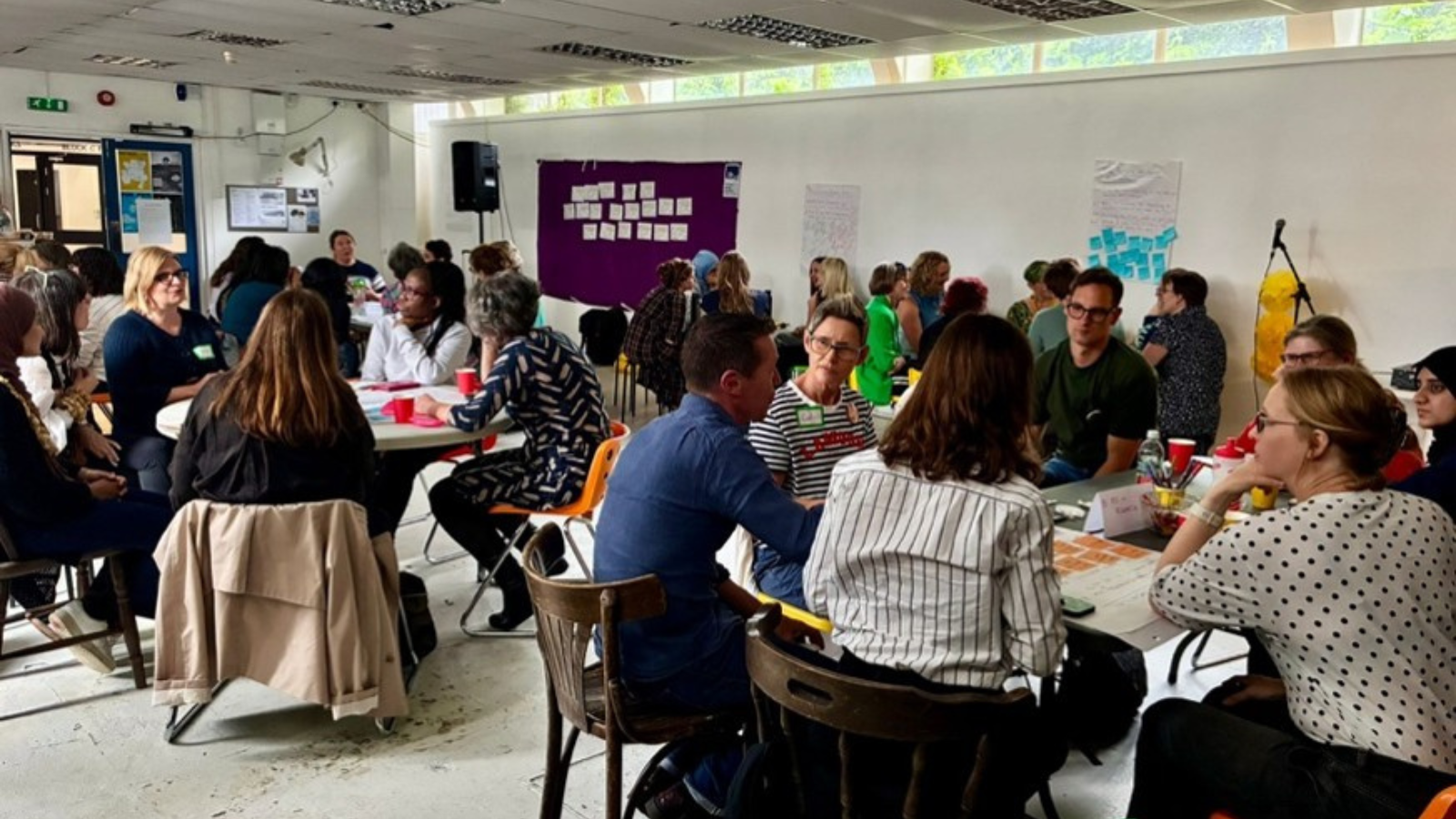
Enter the first conference dedicated entirely to independent researchers. In June, fifty independent researchers gathered for the Mighty Mini’s first Unconference: a one-day event designed to connect, recharge and support learning for those working independently.
An Unconference is a non-hierarchical event where attendees shape the content. True to that ethos, while a small ticket price covered the venue hire and refreshments, a commitment to affordability meant the event was designed and delivered by volunteers and embraced the self-made. Lanyards were woven from fabric scraps, cloakroom hangers borrowed from a members’ wardrobe, and craft supplies donated from children's art kits. The venue itself, Stockport’s PINK, is an independent arts organisation and events space home making it a natural fit given the creative collaborations that often feature in independent research. Accessibility was carefully considered, with an access statement and dedicated time, spaces and support for attendees with learning differences or physical requirements.
The agenda combined interactive business-skill tasters with open space skills-share sessions, facilitated networking, and a sound bath and nature walk to recharge busy brains. The Unconference closed with a listening session with Tina Haux, CEO of the Social Research Association (SRA), who joined to hear directly from independent researchers as part of updating the SRA's Guide to Commissioning Social Research. All-in-all the event felt a bit like an independent research project: combining many different skills and delivered with a huge amount of care.
Reflections from the event
A day of conversations surfaced three key themes that aligned with the aims of the Unconference: connect, learn and recharge. Together they represent clear asks of the institutions that commission and support research if this valuable source of expertise is to be sustained
- Connect: More low-cost or funded forums for connection, learning and collaboration are needed. The attendance of fifty independent researchers from as far as Plymouth and Newcastle demonstrated the appetite for this kind of event. It was striking how unusual it felt to be at a research conference without institutional affiliation and to be able to turn to anyone in the room and find something in common. Attendees were energised by potential collaborations, inspired by generous practical advice and tips, and left with the human need of not feeling like an anomaly, fulfilled.
- Learn: There are numerous methodological and expertise-based research conferences run by research institutions and membership bodies. Attendees would appreciate ticket prices for those events which reflect their limited resources and to be more proactively welcomed. At the same time clients could better realise the wider knowledge (and resources) independent researchers have to utilise to support their projects. Independent researchers don't merely convene events, produce and analyse data, and write reports; they are also their own finance, IT, bidding, comms, HR and legal department. Conferences and courses could better touch on the realities of leading your own research projects, while day-rates and timelines could be more attuned to the need for business activities.
- Recharge: Alongside providing literal rest during the soundbath, the Unconference offered many attendees a confidence recharge, restoring belief in themselves, and the standards of support and respect they should expect as members of the research eco-system. Swapping anecdotes about client feedback reinforced the value independent researchers provide across fields. Unlike large firms where junior staff handle project work, independent researchers bring years of expertise and confidence by the time they move out of institutional employment and can be far more agile and responsive, without large overheads reflected in their day rates. Commissioners could publicly accommodate and champion independent researchers. This could be as simple as avoiding school holiday bid deadlines, reducing bid length, and providing transparent scoring and meaningful proposal feedback
Looking to the future
The conversations throughout the Unconference revealed the need for institutional support for research that comes from outside institutions, and recognition of the value of that work. We need a seat at the table- or like at the Unconference our own table -, in addition to more visibility among our membership bodies, and more of the active support Tina Haux showed simply by turning up and listening. There is a clear need for more days like this one, to support the many researchers who are independent for all sorts of reasons: caring roles, neurodivergence, disability, or simply an independent mindset. There are a lot of routes into forging your own path, and a lot of value in it too. That value deserves support and recognition, and we promise to keep fighting for it.