Month: February 2026

Two cheers for creative industries futures!

Woodcut print titled The Tiger by John Dickson Batten, 1900.

Most who are reading NCACE blogs will, I think, be broadly pleased that the creative industries are now regarded by government – in last year’s Industrial Strategy but also in several subsequent policy statements – as one of the main drivers of future economic growth. The government now seems to believe that the creative industries … Continued
Research Sovereignty: Moving from Extraction to Allyship in Cultural Knowledge Exchange

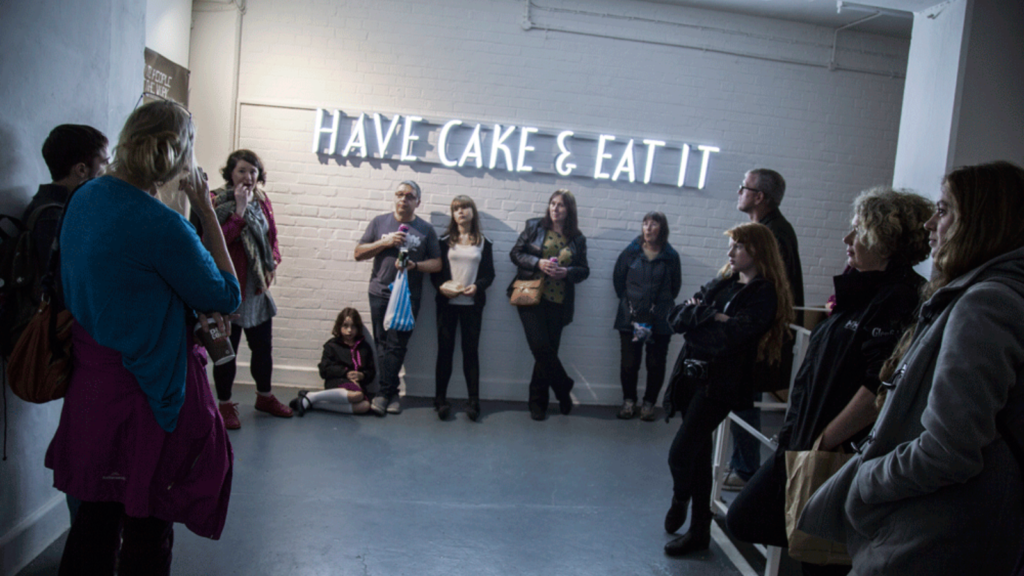
Plain Speaking Tour of "I Am Your Voice", Claire Fontaine (2017). Photo courtesy of Dom Moore Photography.

Take A Part (TAP) works with communities that have historically and systemically been underserved across the UK, using creative practices to support community-led and community-determined change. Reflecting on the collaborative practices of cultural democracy and co-creation developed over the 17 years of Take A Part’s national practice, Kim Wide MBE, founder and Co-CEO, explores the … Continued

Recognition Is Infrastructure: What the NCACE Research Associates Pilot Reveals About the Future of Research Careers

Photo by Pixabay

One of the most strategically interesting developments I’ve encountered this year, through my work across research culture and research-enabling systems, is not a new framework, concordat, or strategy document, but the National Centre for Academic and Cultural Exchange (NCACE) Research Associates pilot. On the surface, the scheme is modest: light-touch institutional support, a small honorarium, access to resources, … Continued

Arts for health research: developing meaningful research through co-creation

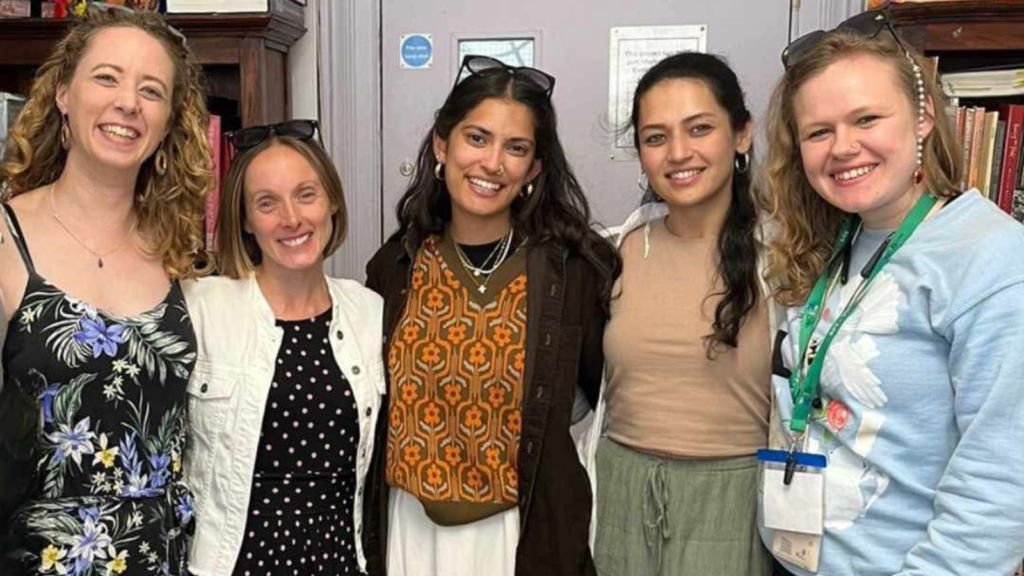
Image 1: Research and dance artist team meeting at Akademi offices. Credit: Antareepa Thakur

Akademi, a London based charity, has been taking South Asian dance into schools for over 40 years, pioneering the use of South Asian dance in these spaces. Reach Out and Reveal (ROaR), a project working specifically with Special Educational Needs and Disabilities (SEND) schools, has been delivered since 2018 to support the physical, emotional and … Continued